
Ghanaians will soon have a direct line to the authorities managing their flood risks. A new digital platform, developed through research at the Kwame Nkrumah University of Science and Technology (KNUST), will allow community members to report flooding and environmental hazards from their phones and follow up on what happens next.
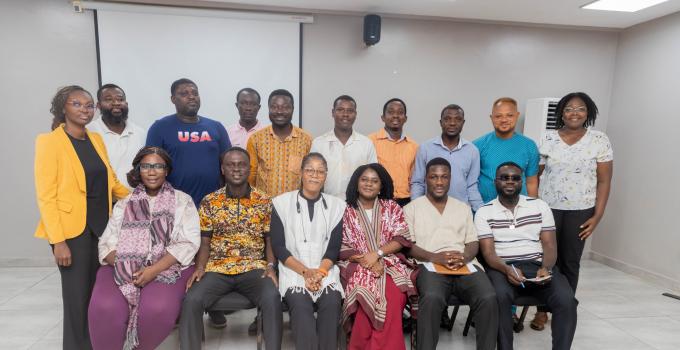
The platform is the centrepiece of the ALBATROSS Project, a research initiative focused on flood resilience and nature-based approaches to managing water in urban environments. The project convened a stakeholder workshop at KNUST to refine the platform ahead of its wider rollout.
Representatives from the National Disaster Management Organisation (NADMO), the Kumasi Metropolitan Assembly (KMA), the Ghana Meteorological Agency (GMet), the Ghana Hydrological Authority, and other technical and academic partners attended the workshop.
The platform works by connecting community reports directly to the institutions responsible for flood management. Residents can flag flooding, drainage blockages, and other environmental concerns in their neighbourhoods, feeding real-time information into a shared system for faster, more coordinated response.
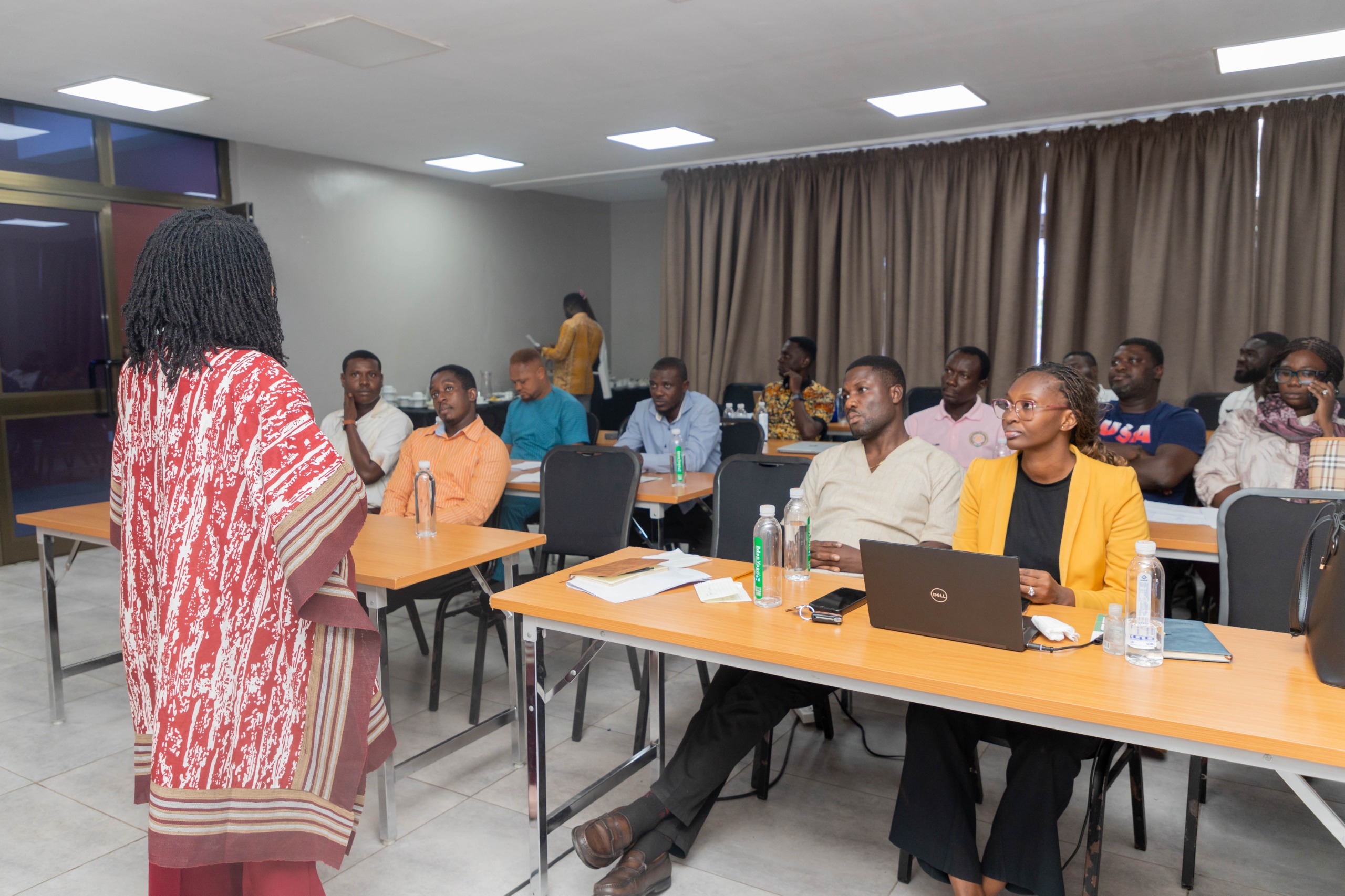
Workshop participants reviewed the platform and proposed several improvements to make it more accessible. These included visual guides and voice-based reporting for users who find text-based forms difficult, and automatic location identification to speed up submissions. Stakeholders also called for a way for citizens to track the progress of issues they have reported and receive updates when cases remain unresolved, so that reporting leads to visible action, not silence.
An optional contact field would allow residents to receive direct feedback on their reports. Anonymous reporting remains available for those who prefer it.
Dr Enock Bessah presented the project's flood risk research, which uses computer simulations of extreme rainfall to help planners understand where flooding is most likely and how severe it could become. "The methodology has been successfully validated for Kumasi and is expected to provide valuable evidence for future flood mitigation investments and nature-based solution implementation," said Dr Bessah.
Dr Linda Esi Aduku described the workshop as a milestone in building the platform together with the communities and institutions it is designed to serve. "The recommendations generated during the workshop will guide the next phase of platform development and contribute to more inclusive and collaborative approaches to flood resilience and environmental management in Kumasi," said Dr Aduku.
The ALBATROSS Project positions KNUST as a lead institution in community-centred flood resilience research, developing tools that put scientific knowledge directly in the hands of the people managing Ghana's urban water challenges.