
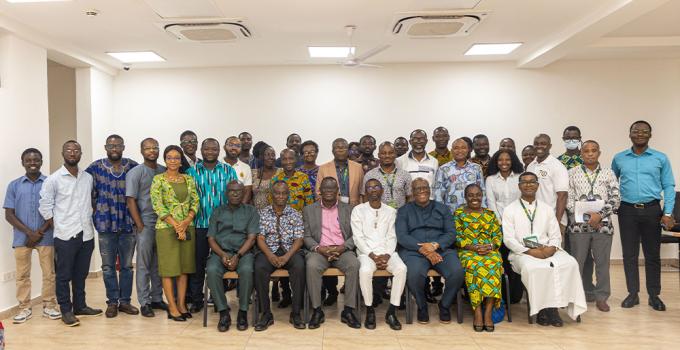
Researchers in the social sciences at Kwame Nkrumah University of Science and Technology (KNUST), led by Prof. Kabila Abass are learning to turn strong ideas into funded projects, following a grant-writing workshop convened by the Faculty of Social Sciences in collaboration with the Office of Grants and Research (OGR).
The workshop, themed From Idea to Funding, drew early-career researchers and aspiring grant applicants from the Faculty. It focused on building competitive proposals and navigating an increasingly crowded funding landscape.
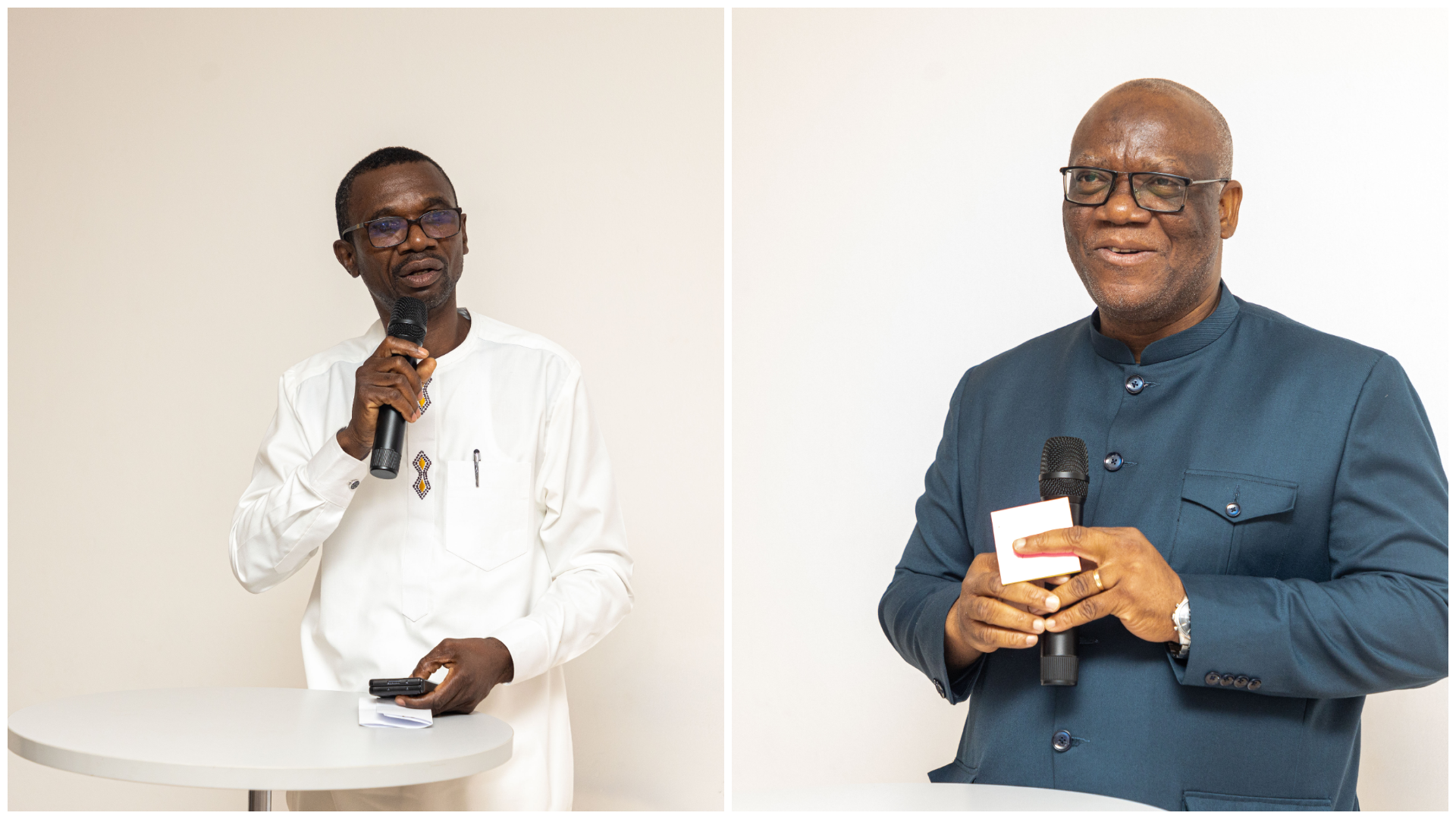
In his opening remarks, Prof. Jerry John Kponyo, Director of the OGR, reaffirmed the Office's commitment to supporting researchers through the grant application process. He urged participants to draw on the OGR's technical support, pointing to what successful funding opens up for both researchers and the University. "The more proposals we submit, the greater our chances of securing grants and building the University's global research reputation," he said.
Prof. Gift Dumedah, of the Department of Geography and Rural Development, followed with a presentation titled "Overview of Proposal Writing." He stressed that the aim is not simply to prepare applications, but to write proposals capable of winning funding.
His session covered the ten essential components of a competitive proposal, how assessors evaluate submissions, and practical ways to raise proposal quality. He walked participants through compelling problem statements, focused research questions, coherent structure, realistic budgets and clear demonstration of impact.
He also addressed feasibility, ethics, risk and team composition, before naming the weaknesses reviewers most often flag and the principles that separate a funded proposal from a rejected one.
Prof. George Meyeri Bob-Millar, of the Department of History, Political Science and Public Administration, led a session on hands-on proposal-writing techniques. Drawing on his own grant applications, he shared lessons from both the successful and the unsuccessful.
His session traced the pathway to national and global scholarly leadership, the marks of a fundable proposal, and the checks to make before submission. He pressed the value of collaboration, arguing that working with others strengthens proposals and prepares academics for multidisciplinary work.
He urged participants not to rush the work. "Fundable proposals take time to develop," he said.
He closed by casting grant writing as a route to career advancement, one that attracts funding and opens collaborative and professional doors at home and abroad.
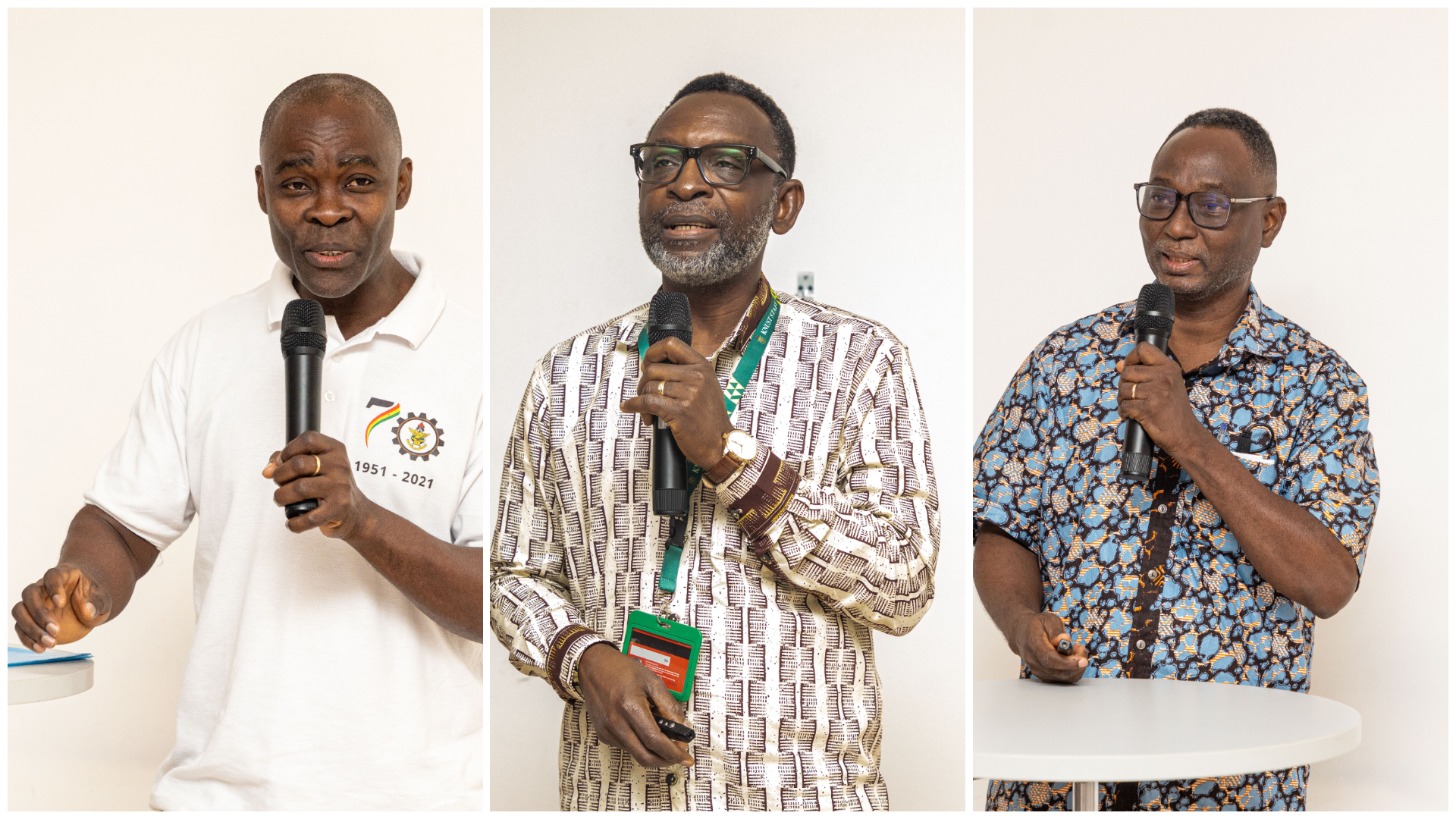
Prof. Divine Kwaku Ahadzie, of the Centre for Settlement Studies, delivered the final presentation, "Writing Methods for Grant Applications." Drawing on his own record of securing grants, he urged participants to write with confidence, and to study each funding call closely before starting.
He took participants from crafting a title through to a sound methodology and a complete submission. He also covered aligning objectives with funder priorities, funding regulations, ethics, sustainability, research visibility and impact.
Meeting funder expectations, he said, sits at the heart of it. Echoeing a point Prof. Kponyo had made earlier in the day:
"Effective grant writing is about telling a compelling story. The story must address the issues funders are interested in."
A question-and-answer session closed the workshop. Participants pressed the facilitators on the finer points of proposal development and drew practical guidance in return, reinforcing the day's aim of equipping KNUST researchers to compete, and win, in the funding arena.