
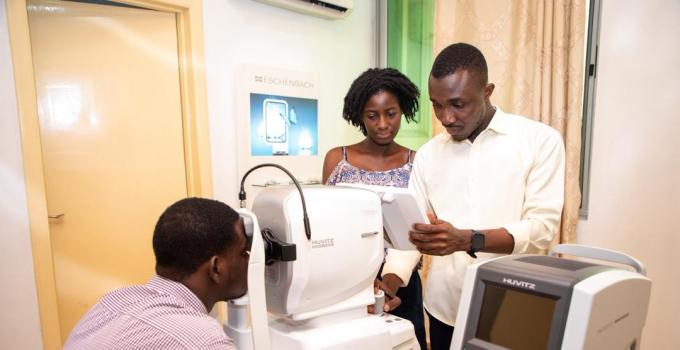
The HM KNUST Low Vision Project, led by Dr. Kwadwo Owusu Akuffo (KNUST, Ghana) in collaboration with Prof. Werner Eisenbarth (Hochschule München University of Applied Sciences, Germany), is a flagship initiative addressing the growing burden of low vision in Ghana and the broader West African region. As visual impairment continues to rise globally, low- and middle-income countries face disproportionate challenges due to limited resources, infrastructure, and specialized care. In Ghana, particularly within the Ashanti Region, many individuals with low vision remain underserved. This project seeks to quantify the prevalence of low vision, identify its underlying causes, and address systemic gaps in low vision care delivery and professional training.
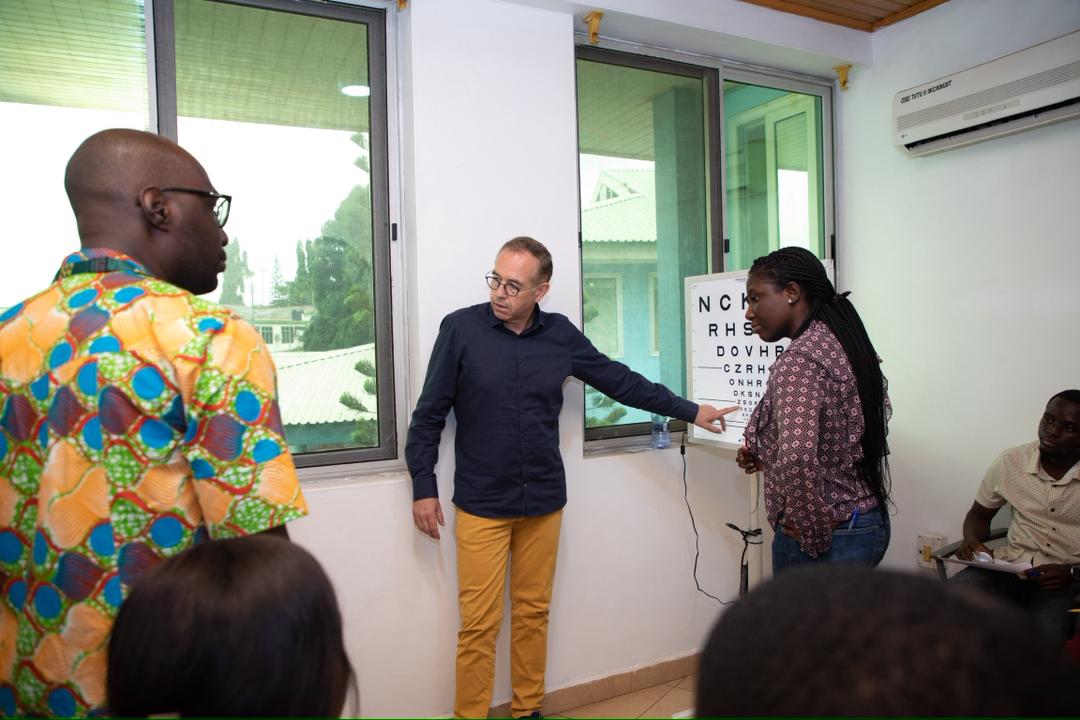
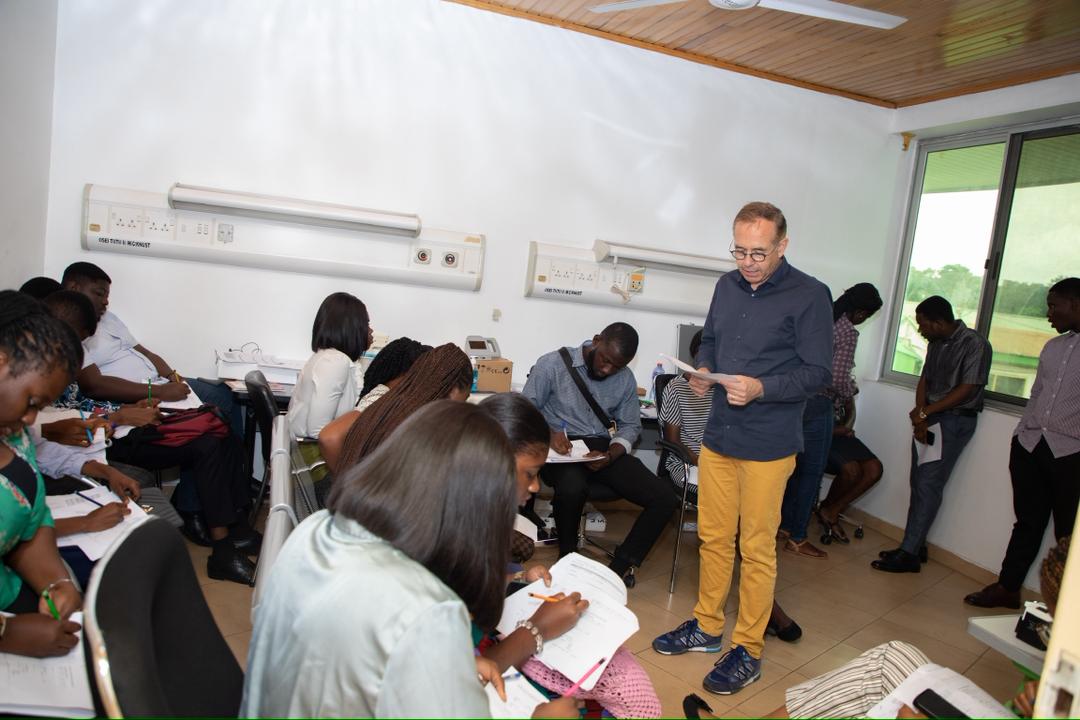
Low vision, often resulting from age-related conditions, inherited disorders, and chronic ocular diseases, has far-reaching consequences beyond health. It reduces independence, limits educational attainment, and constrains economic productivity, thereby affecting households and national development. Recognizing these multidimensional impacts, the HM KNUST Low Vision Project prioritizes early detection, comprehensive rehabilitation, and long-term system strengthening. A distinguishing feature of the project is its integrated approach, combining research, clinical service delivery, and education. The initiative is actively training optometry students and eye care professionals through structured workshops, continuous professional development (CPD) programmes, and hands-on clinical mentorship. By embedding practical low vision training early within the academic pipeline, the project is cultivating a new generation of eye care practitioners equipped with specialized competencies. In parallel, the project is establishing and equipping low vision centers, including a tertiary facility at KNUST, to enhance access to specialized care while also serving as a training center of excellence and service delivery.
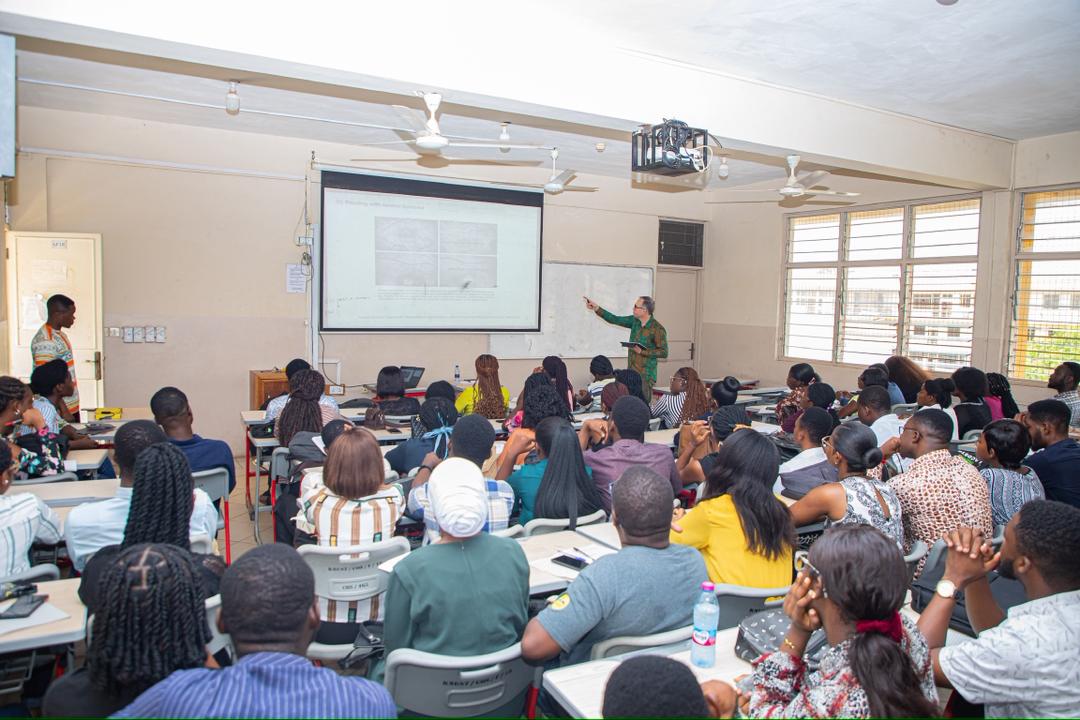
On the research front, the project is addressing critical evidence gaps through systematic studies and the development of clinical databases. These efforts are generating context-specific data to inform policy, optimize service delivery, and support national eye health planning. Regional capacity-building initiatives, such as the Ghana CPD Workshop and the maiden West African Low Vision Workshop 2026, further extend the project’s impact by fostering professional collaboration and knowledge transfer across borders. Together, these activities contribute to the development of an integrated low vision care model linking primary, secondary, and tertiary levels of care.
The anticipated outcomes of the project are both immediate and long-term. By increasing the number of trained specialists, improving access to quality eyecare, and promoting early intervention, the project is expected to significantly enhance quality of life for individuals living with low vision. Over the next three to five years, it aims to establish a scalable and replicable model for low vision care across Ghana and West Africa. In doing so, the HM KNUST Low Vision Project aligns with national health priorities and contributes to global health agendas, including Universal Health Coverage and the Sustainable Development Goals. It stands as a strong example of KNUST’s commitment to impactful research, international collaboration, and advancing health equity.