
A new study by researchers at the Kwame Nkrumah University of Science and Technology (KNUST), Kumasi has revealed that changes in rainfall patterns and rising temperatures are significantly increasing the risk of undernutrition among young children in Africa. The study finds that excessive and insufficient rainfall can reduce crop yields, while higher temperatures intensify food insecurity, ultimately affecting children aged 6 to 23 months, one of the most nutritionally vulnerable groups.
“This is my mantra. I don’t want to judge the impact of my work by learned manuscripts alone, but by the impact it has on the lives of the people.”
These words by Dr. Mary Amoako, lead author of the study, reflect the broader purpose behind the research, which moves beyond academic publication to address real-world challenges.

The study, titled “Climate predictors of child undernutrition: Insights from a machine learning model,” brings together contributions from Prof. Leonard Kofitse Amekudzi, Dr. Kwadwo Owusu Akuffo, Fiifi Amoako Atta Panyin Essiam, Sameeratu Issah, and Michael Biney.
It explores how climate variability, including unpredictable rainfall and rising temperatures, is shaping child health outcomes across the continent.
Conducted in collaboration with the Department of Meteorology and Climate Science at KNUST, the research adopts a data-driven approach, applying machine learning techniques to climate and health datasets to identify patterns and key predictors of undernutrition.
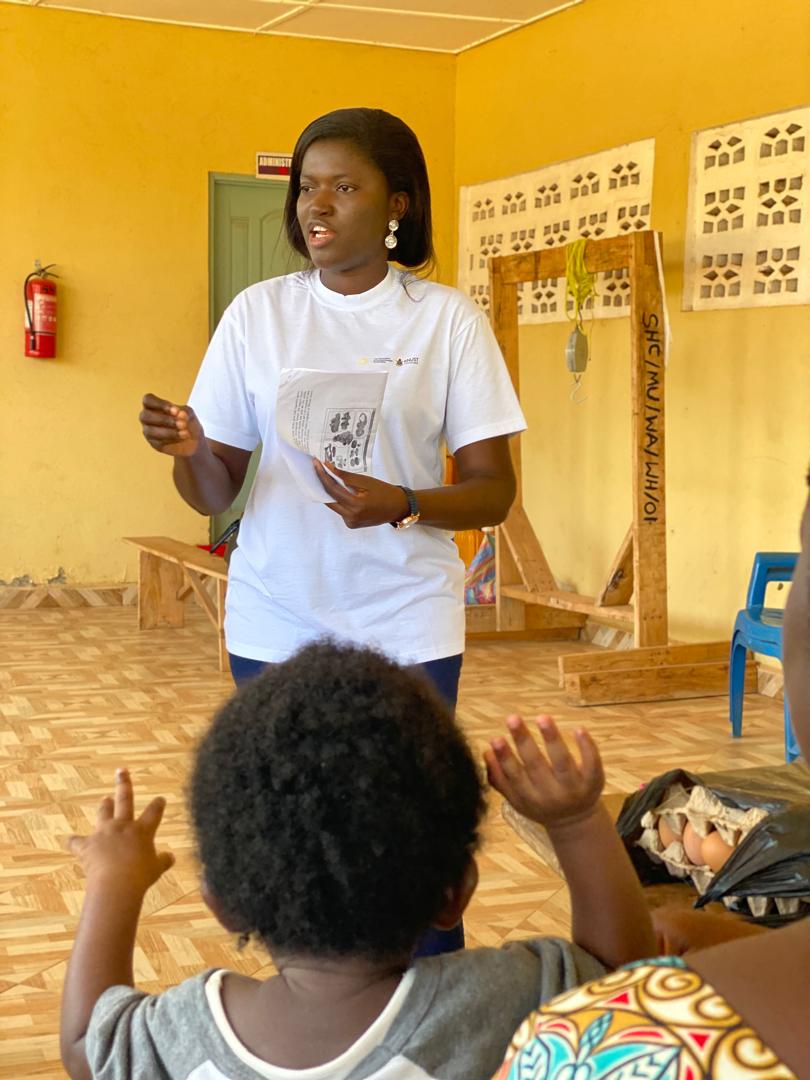
The focus on children aged 6 to 23 months highlights a critical window of vulnerability. Climate change is already disrupting food systems affecting how food is grown, stored, and distributed and reducing access to nutritious diets in many African communities.
As a result, children face increased risks of stunting (impaired growth), wasting (low weight for height), and other health complications.
Using data from rural communities in the Bosomtwe District, the researchers established clear links between climate variables and child nutrition outcomes. Variations in rainfall and temperature were found to directly influence food availability and household nutrition.
The study concludes that climate factors are not only environmental concerns but key determinants of child survival and development.
To address these challenges, the researchers recommend promoting climate-smart agriculture, strengthening food systems, and designing integrated policies that link health, agriculture, and environmental sectors.

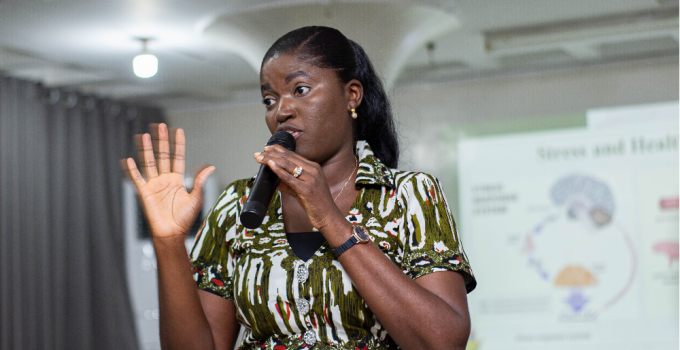
Beyond this study, Dr. Amoako and her team continue to generate research that informs policy and public discourse. Insights from her work were recently presented at the second edition of the Science Friday Series organized by the KNUST Library System under the theme “Deadlines Are Temporary, Your Health Is Not.”
The engagement highlights a commitment to ensuring that research translates into real societal impact, influencing both awareness and decision-making.