
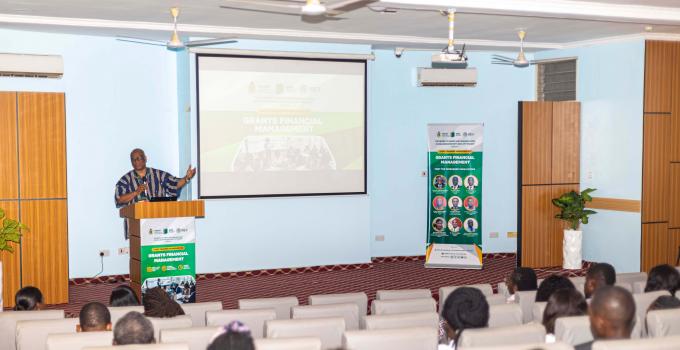
KNUST has reinforced its institutional systems for grant accountability and financial compliance following a two-day Training Workshop on Grants Financial Management led by the Office of Grants and Research (OGR) in partnership with the IREX–CTY Project.
The final day of the workshop focused squarely on audit integrity, financial reporting discipline, and structured grant closeout, critical pillars in safeguarding research funding and maintaining donor confidence.
Opening the day’s technical sessions, Mr. Francis Atondiba Kantorgorje, Senior Assistant Internal Auditor, outlined the University’s internal audit framework for sponsored projects. He emphasized that internal audit functions as a proactive risk management mechanism rather than a reactive control measure. By ensuring alignment with national legislation and University policy, he noted, the audit process protects research funds and strengthens institutional credibility.
Participants were guided through documentation standards, compliance checkpoints, and the responsibilities of Principal Investigators in managing grant resources, particularly in areas such as subcontracting, procurement, and conflict-of-interest disclosures.
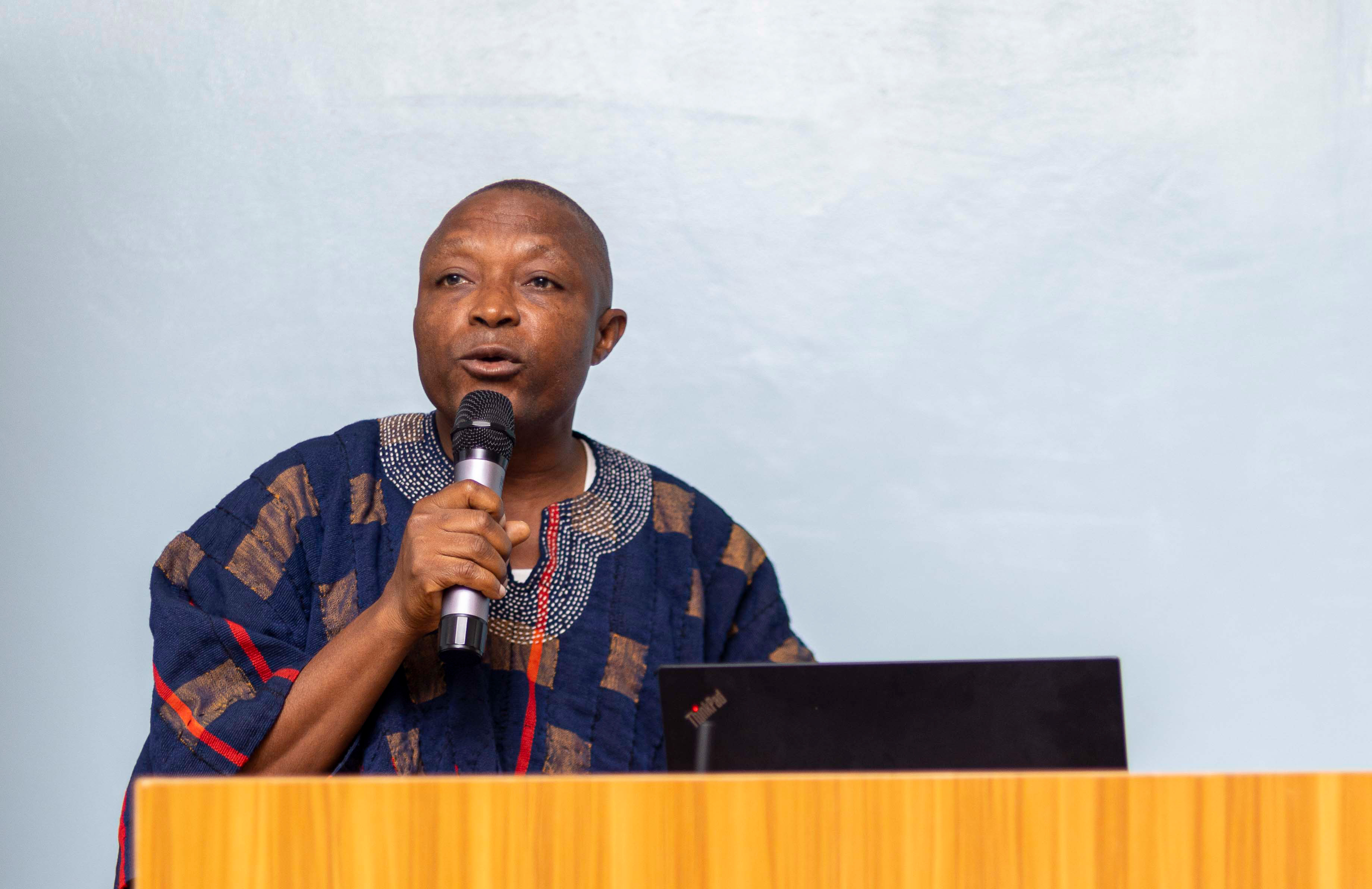
Dr. Ronald Donkor, the University’s External Auditor, followed with a session on external audit requirements and donor compliance. He underscored the importance of maintaining complete and audit-ready documentation throughout a project’s lifecycle, including approved budgets, contracts, procurement records, and financial reports.
 |
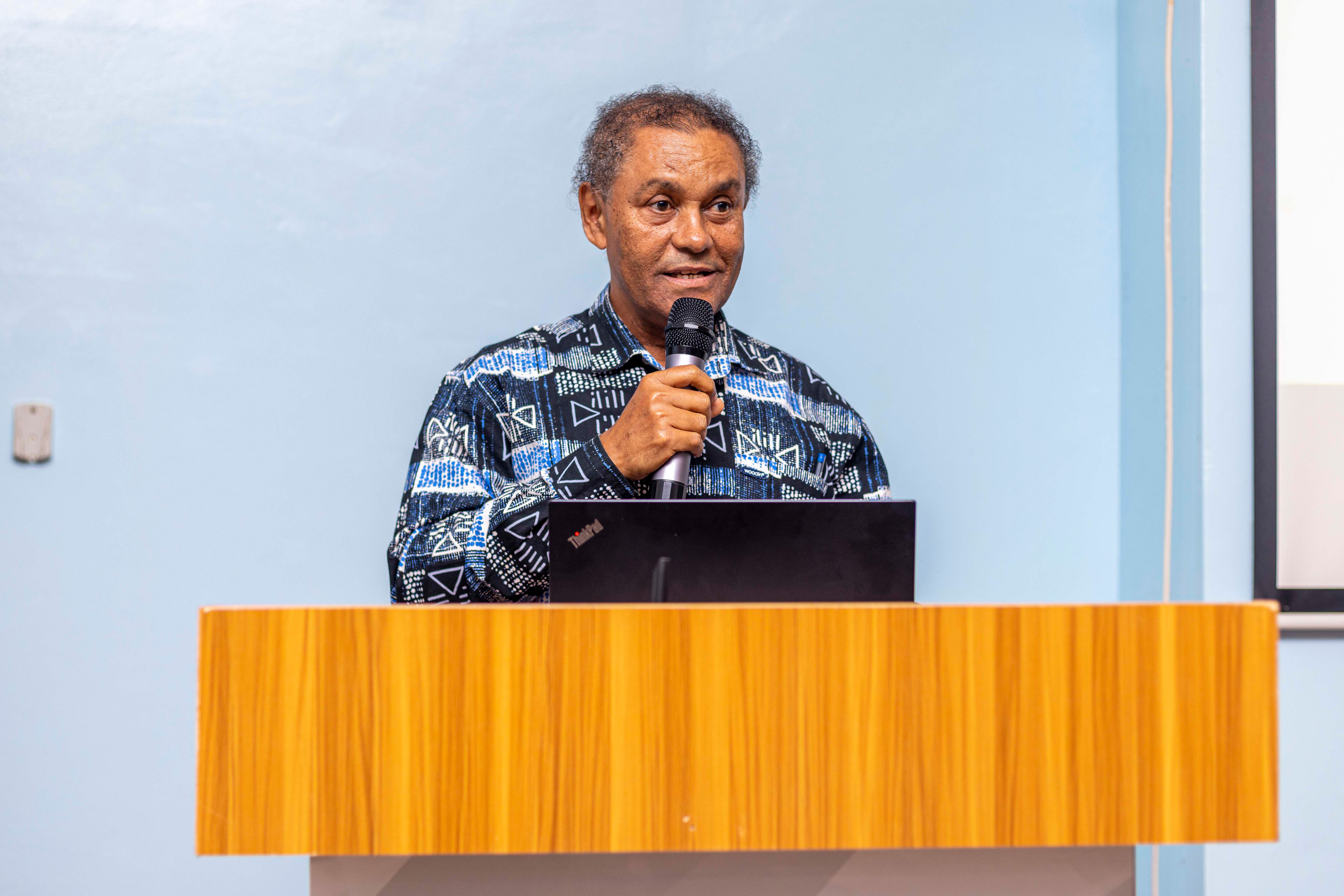 |
External audits, he explained, do not only verify compliance but also assess the implementation of previous recommendations, reinforcing continuous improvement and positioning African research institutions competitively within the global funding landscape.
The workshop then shifted from oversight to operational execution. Mr. Amos Ato Eghan of OGR delivered a practical session on financial management and reporting, walking participants through the full financial cycle, from budget utilisation and expenditure tracking to donor reporting requirements. He highlighted the need to align institutional processes with funder conditions and introduced enhancements to the University’s digital finance system, PANACEA, aimed at improving grants reporting efficiency.
Attention then turned to grant closeout, a stage often underestimated but essential for regulatory and contractual compliance. Mr. Bernard Barnie of OGR clarified that successful closeout requires coordinated completion of financial reconciliation, technical reporting, and asset verification. He stressed the distinction between internal University closeout processes and funder-specific requirements, noting that both must be satisfied to achieve full compliance.
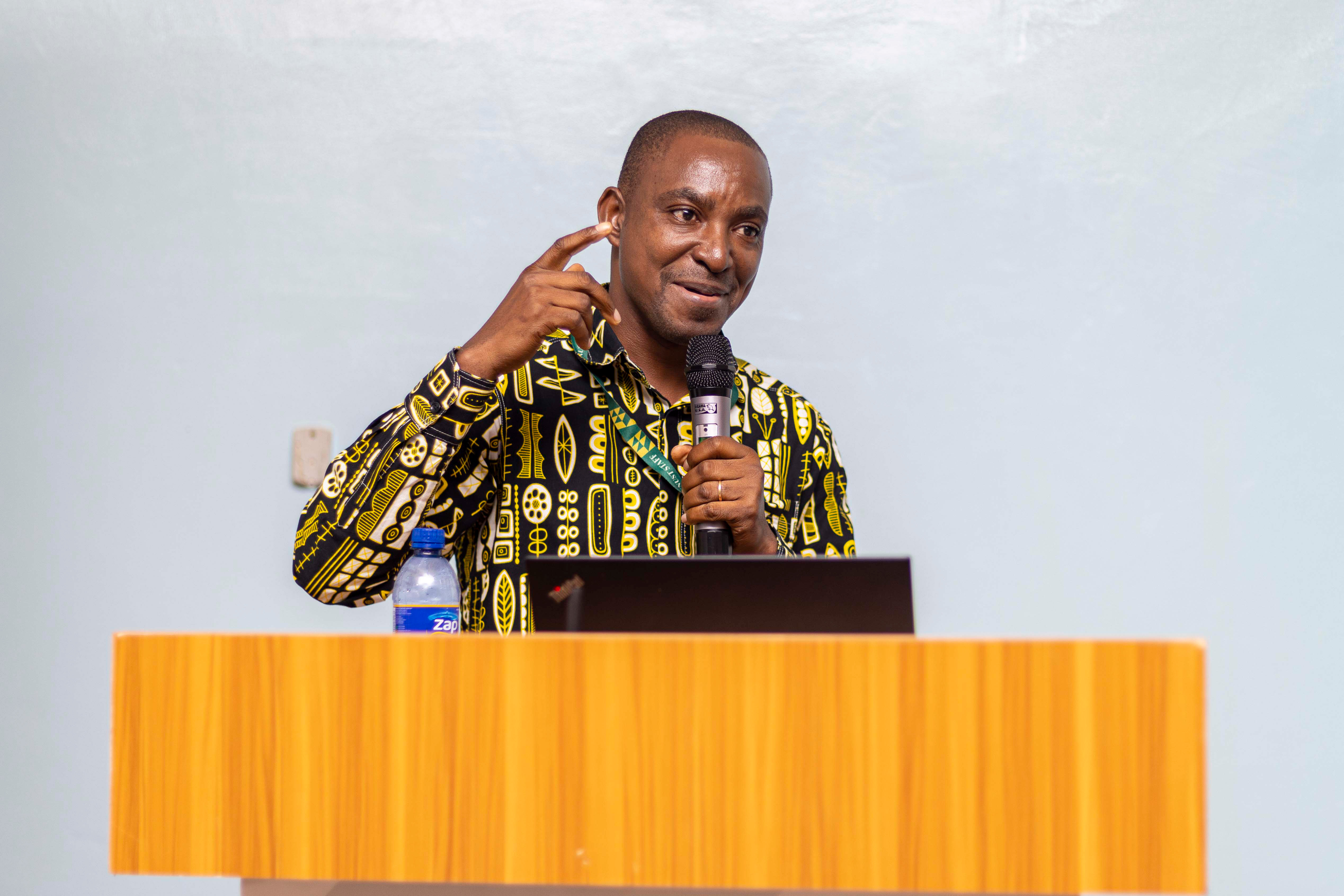
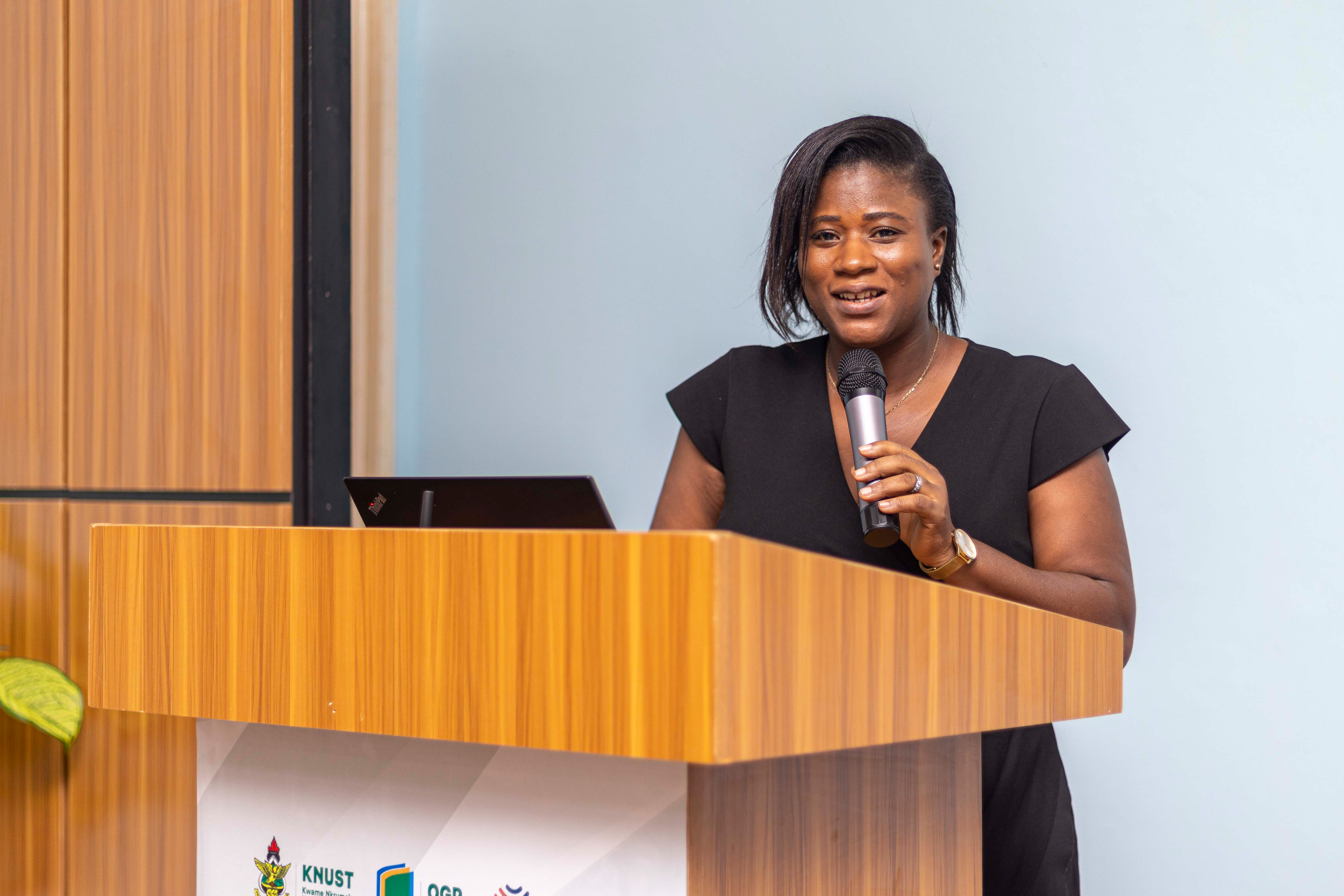
The workshop concluded with an interactive session led by Mrs. Hannah Adom Eyison, Lead of the IREX–CTY Project, who emphasized stakeholder collaboration as the foundation of effective grants financial management. Through case-based discussions, participants explored how structured communication between Principal Investigators, finance teams, procurement officers, and auditors can prevent compliance gaps and strengthen overall project delivery.
The workshop concluded with an interactive session led by Mrs. Hannah Adom Eyison, Lead of the IREX–CTY Project, who emphasized stakeholder collaboration as the foundation of effective grants financial management. Through case-based discussions, participants explored how structured communication between Principal Investigators, finance teams, procurement officers, and auditors can prevent compliance gaps and strengthen overall project delivery.