
Improving Mental Health Access Project led by Dr. Vincent de Paul Kanwetuu is addressing a critical yet often overlooked public health challenge in Ghana; limited access to mental health awareness and support systems among young people in senior high schools. With mental health conditions increasingly affecting adolescents and young adults, the project responds to the urgent need to shift from a predominantly curative model of care to a preventive, education-driven approach. By equipping students and educators with practical knowledge on mental health, the initiative seeks to promote early detection, reduce stigma, and improve access to appropriate support services.
Young people are among the most vulnerable to mental health challenges, yet many lack the awareness and support needed to identify symptoms and seek help. In Ghana, gaps in mental health education, limited availability of trained counsellors, and insufficient institutional structures in schools often result in delayed intervention or mismanagement of cases. Without targeted action, these challenges can escalate into severe mental health conditions, negatively affecting academic performance, wellbeing, and long-term life outcomes. The project therefore focuses on those most affected, that is, students and teachers, recognizing schools as critical spaces for early intervention and sustained impact.
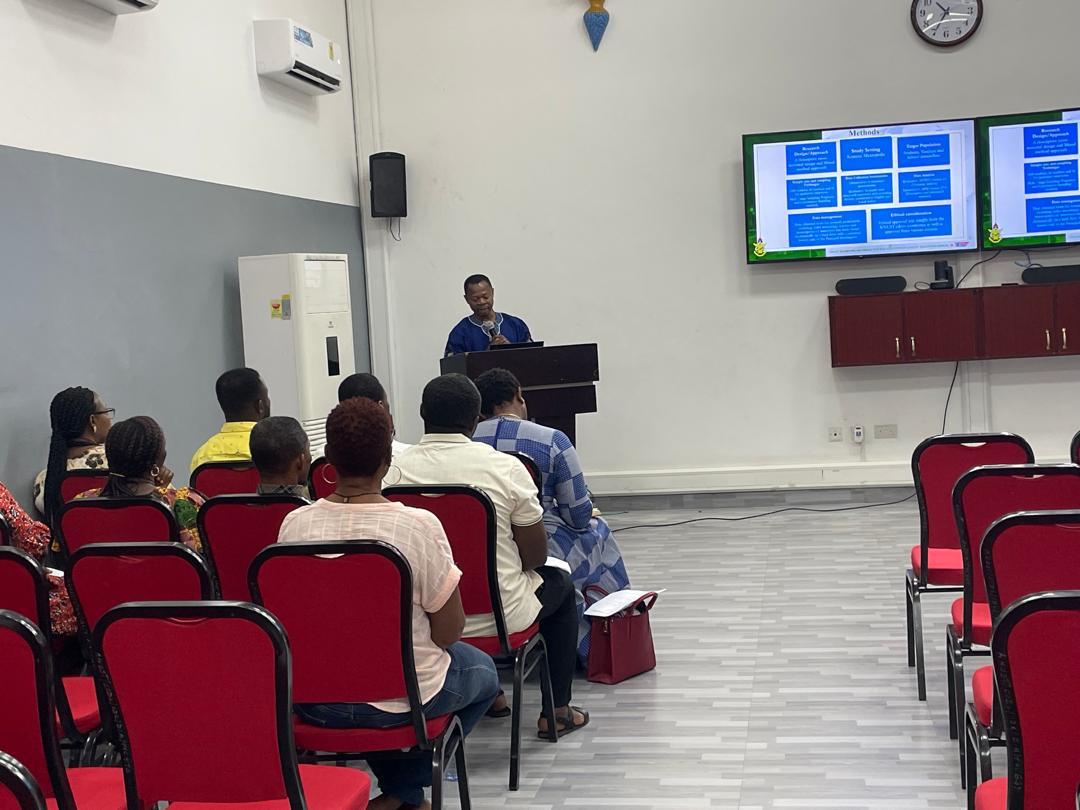
The project adopts a participatory and education-centered approach, combining research, stakeholder engagement, and capacity building to drive change. A baseline study conducted across selected schools in the Ashanti Region provides insights into students’ experiences and existing gaps in mental health service access. These findings are then translated into practical tools, including a mental health manual tailored for schools. Unlike traditional interventions, this approach emphasizes co-creation with stakeholders and prioritizes knowledge transfer through structured training programmes, ensuring that both students and educators are actively involved in the solution.
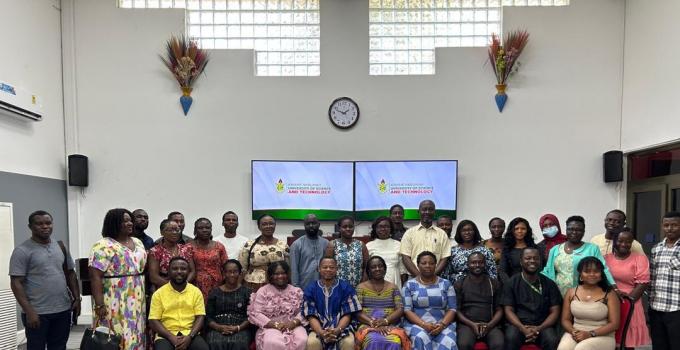
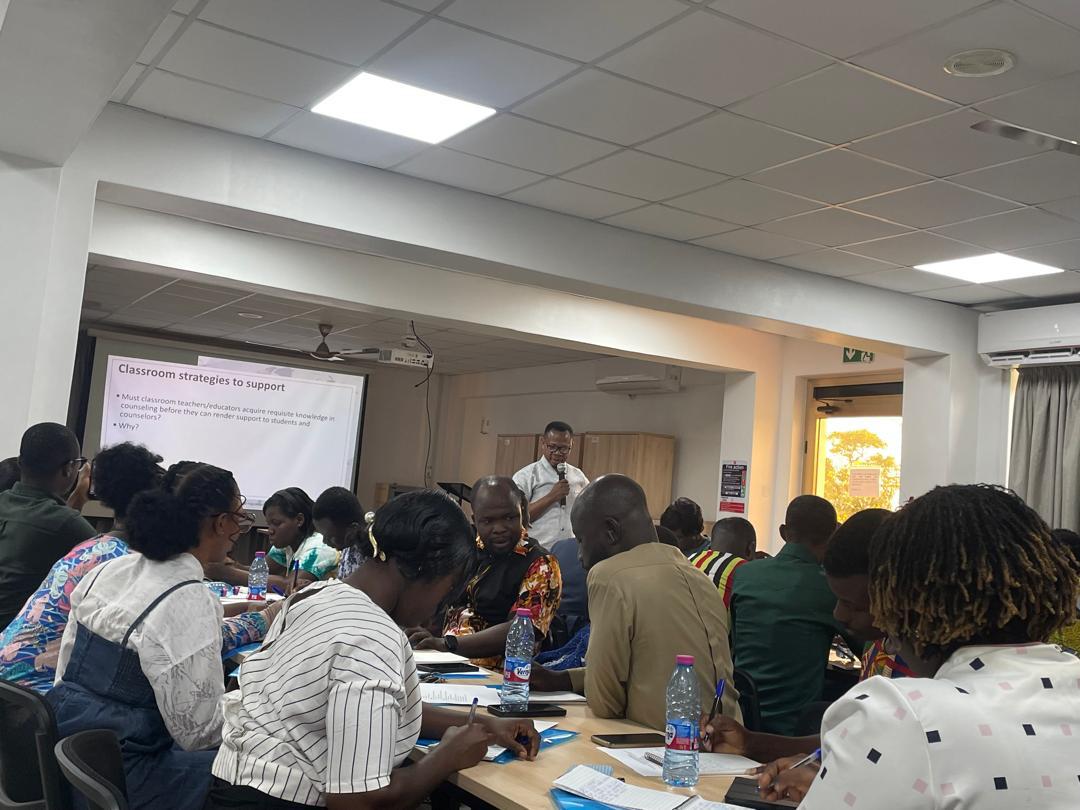
Key activities implemented so far include a stakeholder engagement for results dissemination held at Amonoo Neizer, as well as a Trainer of Trainers capacity-building workshop at the KNUST Collaborative Research Centre (KCCR). These engagements have played a crucial role in strengthening institutional collaboration and equipping teachers and school counsellors with the skills needed to identify mental health issues and provide appropriate referrals. In addition, the formation of peer counselling clubs in participating schools is helping to institutionalize mental health awareness, creating safe spaces where students can learn, share, and support one another.
The immediate outputs of the project; trained educators, informed students, and the development of practical educational resources are already contributing to increased awareness and improved attitudes toward mental health. Over time, these outputs are expected to translate into real-world impact through earlier detection of mental health conditions, reduced stigma, and enhanced access to support services within schools. In the next three to five years, the project envisions a strengthened school-based mental health system where awareness, prevention, and timely intervention are embedded in the educational environment, contributing to national efforts to improve mental health outcomes and align with global public health priorities.